Son of Alice Snell McCrea · 2nd Great-Granduncle
William Snell McCrea
Chicago-born · Idaho rancher · Went to his father's office to kill him
Born 13 August 1885, Chicago · Died 2 October 1920, Chicago · Age 35
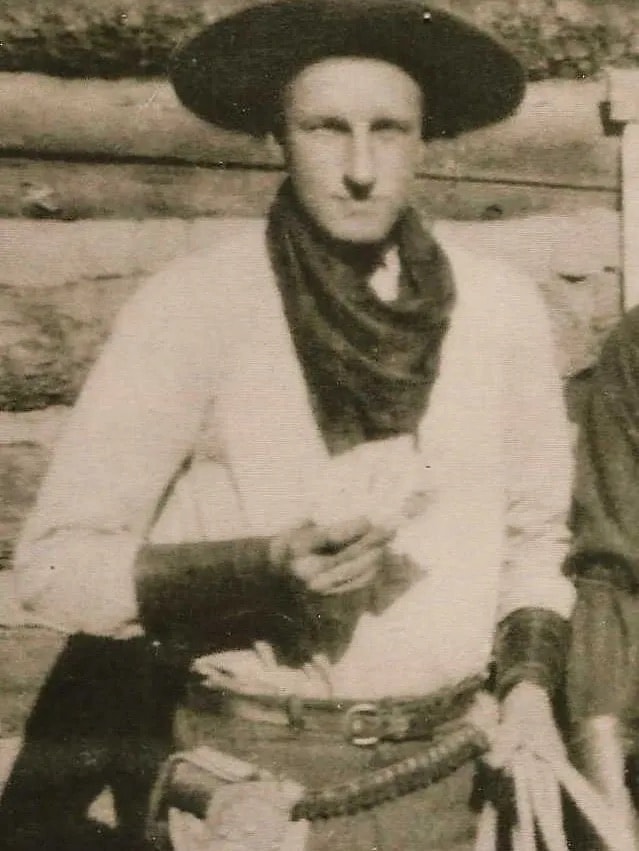
William Snell McCrea
Rea, Idaho · c. 1910s
Genealogical Record
Full Name
William Snell McCrea
Known As
Billy · Snell McCrea
Born
13 August 1885 · Chicago, Cook County, Illinois
Died
2 October 1920 · Chicago, Cook County, Illinois · Age 35
Cause of Death
Gunshot wound during a struggle for a revolver in his father's office. The coroner's jury ruled justifiable self-defense. Wire dispatches filed within hours incorrectly labeled it suicide — that word was never the official finding.
Location
Peoples Gas Building, downtown Chicago — his father's office
Buried
Rosehill Cemetery and Mausoleum, Chicago · Find A Grave #164854677
Father
Wiley Solon McCrea (1858–1927) — commission merchant, Standard Oil, People's Gas Light & Coke vice president. Son of Samuel Harkness McCrea, former City Treasurer of Chicago and major Chicago Board of Trade figure.
Mother
Alice Eva Snell McCrea — died 1898, age 31, when William was 13
Custody
Awarded to father Wiley after parents' 1888 divorce
Residence at Death
Rea, Idaho
Spouse
Algenia Sally Trude — married 1908
Children
William Gordon, Reinette, Margery Trude, and Coralyn McCrea
Covered Nationwide
The United Press wire carried the story across the country on October 2, 1920. Papers from Idaho to Chicago to New York ran the dispatch. The son of one of Chicago's most prominent Gilded Age families had traveled from the frontier to shoot his father — and died in the attempt.
United Press Wire Dispatch · October 2, 1920
"CHICAGO (P) — Falling in his efforts to shoot his father, Snell McCrea of Rea, Idaho, fired a bullet into his own head Saturday. He was taken to a hospital, where he died without having regained consciousness. The shooting occurred in the offices of the father, W. S. McCrea, former vice president of the People's Gas Light & Coke company."
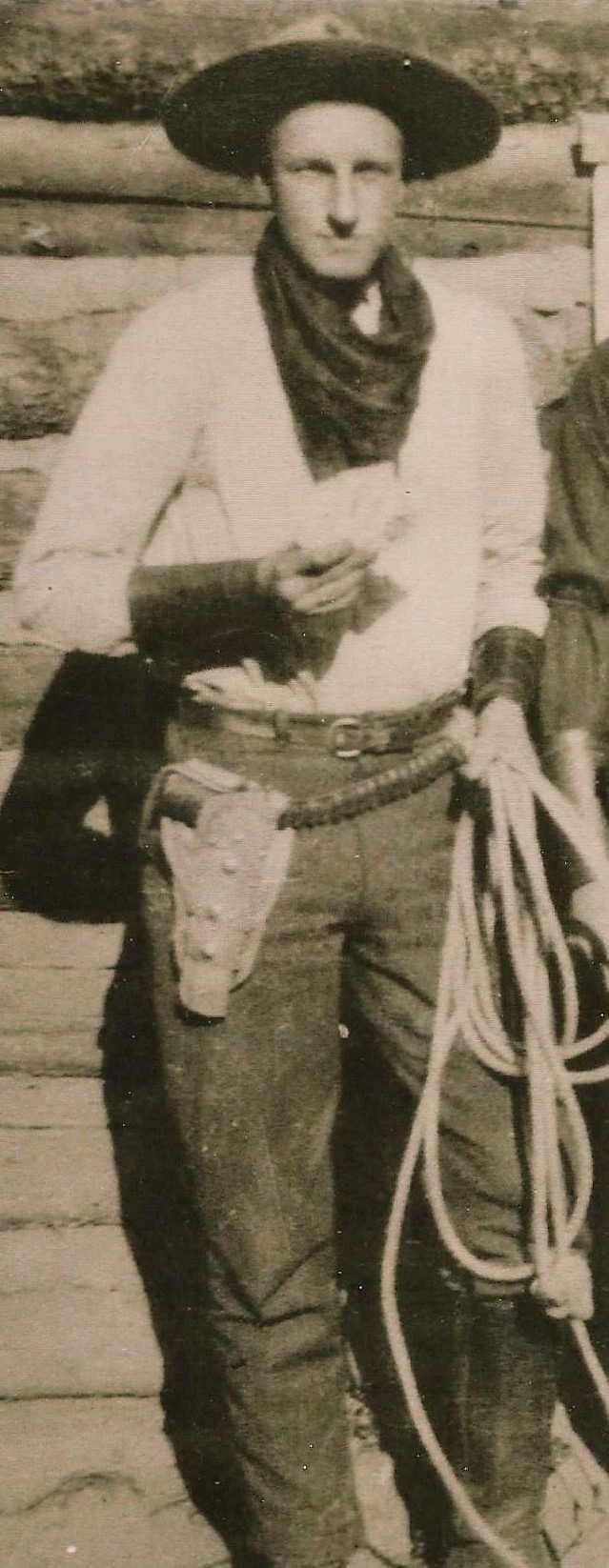
Idaho Statesman · October 3, 1920
Primary source
International Coverage
The story reached as far as the Hungarian press — Szabadság (Liberty), a Hungarian-language newspaper published in the United States, ran the story on October 5, 1920, three days after the shooting. The Snell name still carried weight across the Atlantic world.
Biography
Life of William Snell McCrea
William Snell McCrea — called Billy in childhood, Snell in adulthood — was born 13 August 1885 in Chicago, the first child of Alice Eva Snell and Wiley Solon McCrea. He was three years old when his parents divorced in 1888 on grounds of severe physical abuse by his father. His mother Alice received custody of his younger sister Henriette; William was awarded to his father.
His Mother · Alice Snell McCrea · Died 1898
Alice Snell McCrea died on 6 November 1898 in New York City, when William was just 13 years old. He had been raised by his father — the man who had beaten his mother badly enough that she fled — and grew up in the shadow of one of Chicago's most prominent families. His grandfather Amos Snell had been one of the richest men in Chicago before his unsolved murder in 1888, the same year his parents divorced.
Life in Idaho · Rea, Idaho
By adulthood, William had left Chicago entirely and was living in Rea, Idaho — a world away from the fashionable clubs and commission houses of his father's world. He married Algenia Sally Trude in 1908 and had four children: William Gordon, Reinette, Margery Trude, and Coralyn McCrea. The photograph of him in cowboy gear, a wide-brimmed hat and bandolier, suggests a man who had reinvented himself on the frontier. But the past followed him.
October 2, 1920 · Peoples Gas Building · Chicago
On Saturday, October 2, 1920, William Snell McCrea traveled from Rea, Idaho to Chicago. By this point, he had burned through the fortune that had come down from his grandfather Amos Snell's estate — the $500,000 inheritance that had made the Snell name synonymous with Chicago wealth. He was deeply in debt. He went directly to the Peoples Gas Building in downtown Chicago — where his father, Wiley Solon McCrea, served as vice president of the People's Gas Light & Coke Company. He entered his father's office to confront him over a trust fund and demand immediate cash. Vera Danford, his father's secretary, was present in the private office when William walked in. When Wiley refused his son's demands, William became highly aggressive. He pulled a revolver from his pocket, pointed it at his father, and fired. The first shot narrowly missed Wiley — shattering glass or striking the office wall. Wiley rushed his son to disarm him. During the struggle for the revolver, the gun discharged again. This second shot struck William in the abdomen. He was rushed to a hospital and died without regaining consciousness. He was 35 years old.
The Official Finding
The Coroner's Jury Ruled: Justifiable Self-Defense
The Cook County coroner's jury ruled the shooting justifiable self-defense. The sequence as officially recorded: William drew the weapon, fired the first shot at his father, and was shot during the struggle to disarm him. The wire dispatches — written in the chaos of the first hours — used imprecise language that has confused the record ever since. The Idaho Statesman said he was 'falling in his efforts to shoot his father.' A second account said he 'turned the gun on himself.' Neither was the official finding. The coroner's jury heard the testimony and ruled: Wiley McCrea acted in defense of his own life. He was never charged.
"Justifiable self-defense."
Cook County Coroner's Jury · October 1920 · Official ruling
The word "suicide" was never the official finding. The coroner's jury ruled self-defense. The suicide label came from wire dispatches filed within hours of the shooting — before any inquest, before any testimony was formally recorded. Find A Grave lists it as suicide, but that entry was written decades later and sourced from those same inaccurate wire reports. The official ruling and the popular record have never matched.
The wire dispatches written in the first hours used imprecise language that has confused the record ever since:
Idaho Statesman · October 3, 1920
"Falling in his efforts to shoot his father, Snell McCrea fired a bullet into his own head."
Second wire account · same event
"Shot and killed himself following a quarrel with his father… turned the gun on himself."
Neither account was accurate. The fatal shot was fired during the struggle for the revolver — not by William's own hand. The coroner's jury heard the full testimony and ruled accordingly.
The Official Record and What It Cannot Answer
Power and Truth
Wiley Solon McCrea was not an ordinary man standing before a coroner's jury in October 1920. He was the son of Samuel Harkness McCrea — former City Treasurer of Chicago, major figure on the Chicago Board of Trade. He was himself a former vice president of the People's Gas Light & Coke Company, one of the largest utility corporations in the Midwest. He had the connections, the legal resources, and the social standing that shaped how investigations proceeded and how juries ruled in Gilded Age Chicago. The only witness to what happened in that office was the woman he would marry fourteen months later. The coroner's jury ruled in his favor. Whether the ruling reflected the full truth of what happened in that room — or reflected the power of the man who survived — is a question the official record cannot answer.
His grandfather
Samuel Harkness McCrea
City Treasurer of Chicago · Chicago Board of Trade
His position
VP, People's Gas Light & Coke Co.
One of the largest utilities in the Midwest
The only witness
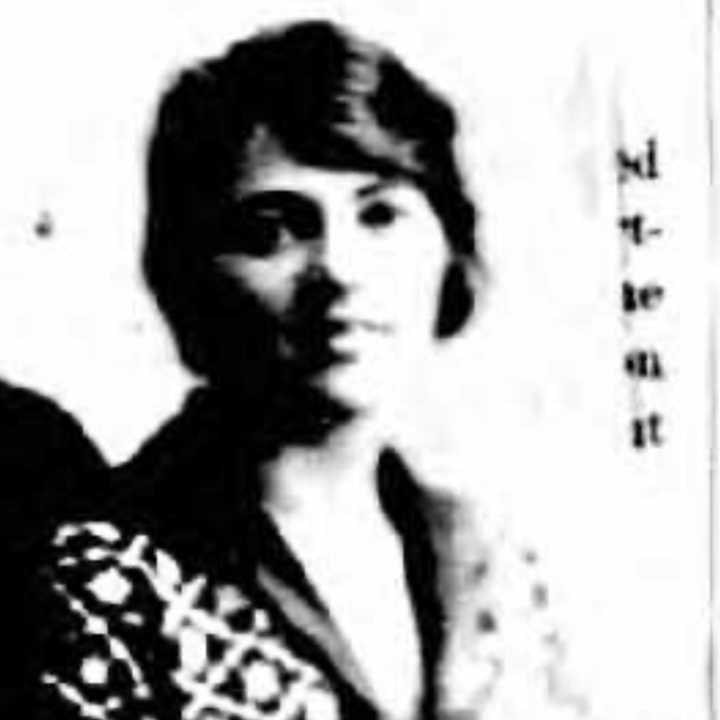
Vera Danford
His secretary · His wife 14 months later
His Father Survived · And His Secretary Was There
Wiley Solon McCrea survived the confrontation. His secretary, Vera Danford — who would become his third wife just fourteen months later, on New Year's Eve 1921 — was present in the office that day as a witness. Wiley lived another seven years, dying on May 27, 1927 at age 69. He was never charged. William is buried at Rosehill Cemetery in Chicago — the same cemetery as his mother Alice, who had died when he was 13.
The Testimony That Cleared Him
What Vera's Account Established
Step 1 · The demand
William entered the office and demanded immediate cash from a trust fund. Wiley refused.
Step 2 · The draw
William pulled a revolver from his pocket and pointed it at his father. He fired. The shot narrowly missed Wiley.
Step 3 · The struggle
Wiley rushed his son to disarm him. During the grapple for the revolver, the gun discharged again.
Step 4 · The fatal shot
The second discharge struck William in the abdomen. He was taken to hospital and died without regaining consciousness.
Vera Danford was the only person in that office who was not a party to the bloodline dispute. She was not Wiley's wife yet — she was his secretary. Her corroboration that William drew the weapon and fired first was the cornerstone of the investigation. Because of her testimony, the coroner's jury ruled the shooting justifiable self-defense. Wiley McCrea was never charged.
Fourteen months later, Vera Danford became Wiley's third wife. The coroner's jury had already cleared him by then. The woman whose testimony saved him from a murder charge was the woman he married.
What the Record Cannot Explain
The Only Witness Married the Survivor
Samuel Harkness McCrea
City Treasurer of Chicago · Chicago Board of Trade
Samuel Harkness McCrea was Wiley's father and William's grandfather — a man of genuine political and financial power in Chicago. He served as City Treasurer and was a major figure on the Chicago Board of Trade. When Vera Danford married Wiley in 1921, she did not merely marry a wealthy businessman. She married into a dynasty. When Wiley died six years later, she inherited a position in that dynasty at age 30.
01 · The only witness
Vera Danford was the only person in the office besides Wiley when William died. No other witness is on record.
02 · The ruling
The Cook County coroner's jury ruled justifiable self-defense. The finding rested on the testimony of two people: Wiley, who survived, and Vera, who watched.
03 · The age gap
Wiley was 63. Vera was 24. A 39-year difference. He married her fourteen months after she testified that his son fired first.
04 · The dynasty
Wiley's father Samuel Harkness McCrea — City Treasurer of Chicago, major Chicago Board of Trade figure — built one of the most prominent political and financial dynasties in Midwestern history. Vera married into it at 24.
05 · The inheritance
Wiley died on May 27, 1927. Vera was 30. She was left a financially secure widow with deep connections in Chicago and Fort Lauderdale. William's four children — his grandchildren — were the natural heirs. What they received is not recorded.
06 · The unanswered question
When did Wiley and Vera's relationship begin? The marriage came fourteen months after the shooting — and after her testimony cleared him. The record does not say when it started.
The coroner's jury ruled. Wiley was never charged. The legal record is closed. But Wiley Solon McCrea was not an ordinary man before that jury — he was the son of Chicago's former City Treasurer, a former VP of one of the Midwest's largest utilities, with the connections and resources that shaped how Gilded Age investigations proceeded. The only witness was the woman he married. Whether the ruling reflected the full truth of what happened in that office, or reflected the power of the man who survived, is a question the official record cannot answer. The full coroner's inquest transcript — Vera's complete statement — has not been located.
Why He Went There
The confrontation at the Peoples Gas Building was not random. Wiley Solon McCrea had beaten William's mother badly enough that she divorced him in 1888 on grounds of extreme cruelty — then took custody of William, the son, while Alice fled to Europe. William grew up in the household of the man who had destroyed his family. By 1920, the Snell inheritance was gone. He came to Chicago with a revolver and a demand. The coroner's jury heard the evidence and ruled it self-defense. Whether that ruling captured the full truth of what happened in that office is a question the record cannot answer.
Open Research Questions
For further research: (1) Cook County coroner's inquest records for October 1920 — the jury ruled justifiable self-defense, but the full transcript of testimony, including Vera's statement and Wiley's account, has not been located. That transcript is the primary document for this event. (2) Chicago Police Department reports from October 2, 1920 — the first-response record: officer names, exact time of arrival, condition of the office, position of the body, the revolver, and any statements taken at the scene before the coroner's jury convened. (3) Chicago Tribune and Chicago Daily News coverage from October 2–5, 1920 — local papers likely ran fuller accounts than the wire dispatches and may quote Vera's statement to police directly. (4) The Snell estate inheritance — how much did William actually receive, when did he exhaust it, and what debts was he carrying in 1920? (5) Did any of William's four children leave accounts of their father or the event?
Continue Reading
Related Stories
His Mother
Alice Snell McCrea
The most beautiful woman Chicago ever sent east — died when William was 13.
Read →
His Father
Wiley Solon McCrea
Commission merchant, Standard Oil treasurer, People's Gas vice president — the man William tried to shoot.
Read →
His Grandfather
The Snell Murder Mystery
Amos Snell was shot dead in 1888 — the year William was born, the year his parents divorced.
Read →